
We grow Quality, We harvest Trust.

Cinnamon & Cassia

Product Details
  • Product Name : Imported Cinnamon
  • Botanical Name : Cinnamomum verum (True Cinnamon)
  • Family : Lauraceae
  • Types : True Cinnamon (Ceylon Cinnamon), Cassia Cinnamon
  • Origin : Sri Lanka (Ceylon Cinnamon), Vietnam, Indonesia
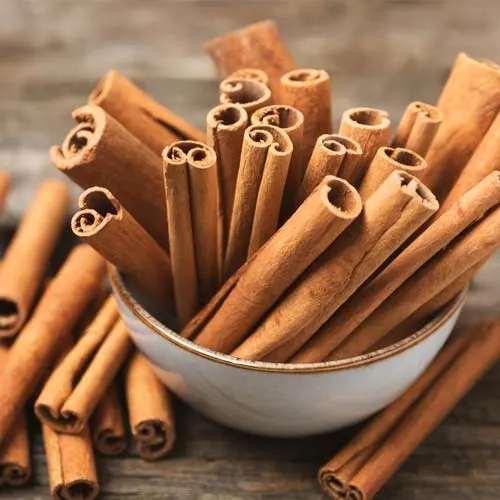
  • Description : Imported cinnamon is known for its distinct aroma, sweet-spicy flavor, and various applications in cooking, baking, and health remedies. Ceylon cinnamon is softer and more aromatic, while Cassia cinnamon is robust and spicy.
Packing and Shipping Details
  • Packing :
    • Food-grade bags or cartons, vacuum-sealed packs available.
    • Common sizes: 10kg, 25kg, or customized.
  • Storage :
    • Store in a cool, dry place, away from direct sunlight and moisture.
  • Shelf Life :
    • 12–18 months under proper storage conditions.
  • Container Loading Capacity :
    • 20ft Container : Up to 10–12 MT (Metric Tons)
    • 40ft Container : Up to 20–22 MT (Metric Tons)
Nutritional Information (per 100g)
  • Energy : 247 kcal
  • Carbohydrates: 81g
  • Sugars: 2.2g
  • Dietary Fiber: 53g
  • Protein: 4g
  • Fat: 1.2g
  • Calcium: 1002mg
  • Iron: 8.3mg

Product Information

ParameterRange/Specification
AppearanceCeylon Cinnamon: Thin, delicate quills | Cassia Cinnamon :Thick, hard bark sticks
ColorLight tan to golden brown | Dark reddish-brown
Length of Quills5–10 cm, 15 cm, or custom-cut | 5–20 cm or custom-cut
Thickness0.2–0.35 mm | 1–3 mm
Moisture Content≤ 12%
Purity≥ 99%
Foreign Matter≤ 0.5%

Chemical Specifications

ParameterRange/Specification
Volatile Oil Content≥ 1% (Ceylon); ≥ 2% (Cassia)
Cinnamaldehyde Content≥ 55–65%
Coumarin ContentLow in Ceylon; High in Cassia
Ash Content≤ 4%
Acid Insoluble Ash≤ 1%
Pesticide ResidueAs per international standards
Microbial LoadCompliant with food safety standards

Grades

GradeDescription

Smart Irrigation Systems

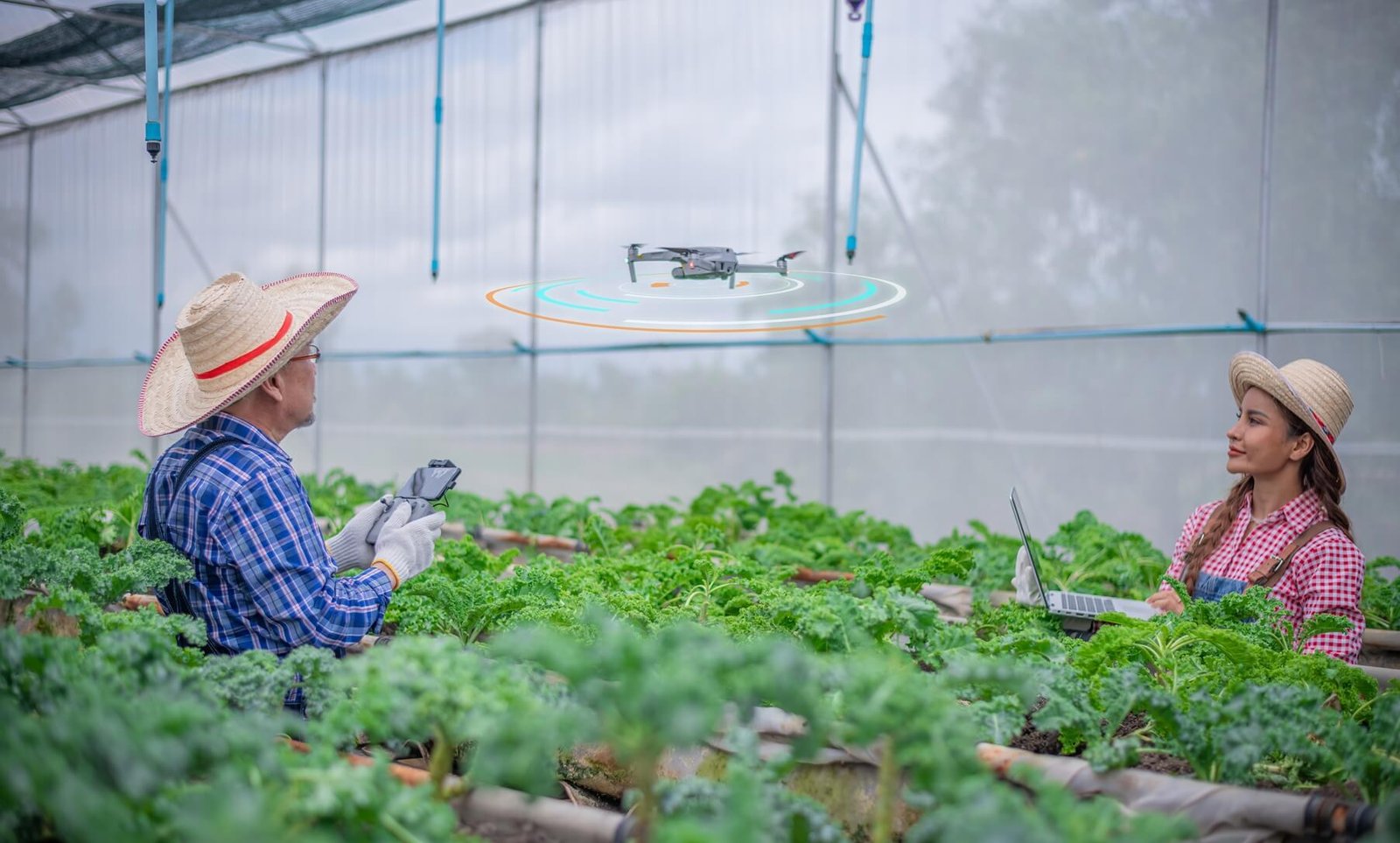
Our Smart Irrigation Systems use sensors and AI-driven analytics to deliver the right amount of water at the right time — ensuring healthier crops, conserving resources, and reducing farming costs.

Less water use
0 %
Higher yield
0 %
Farms Supported
50 +